Office Fitout Trends That Are Actually Changing Dubai Workspaces
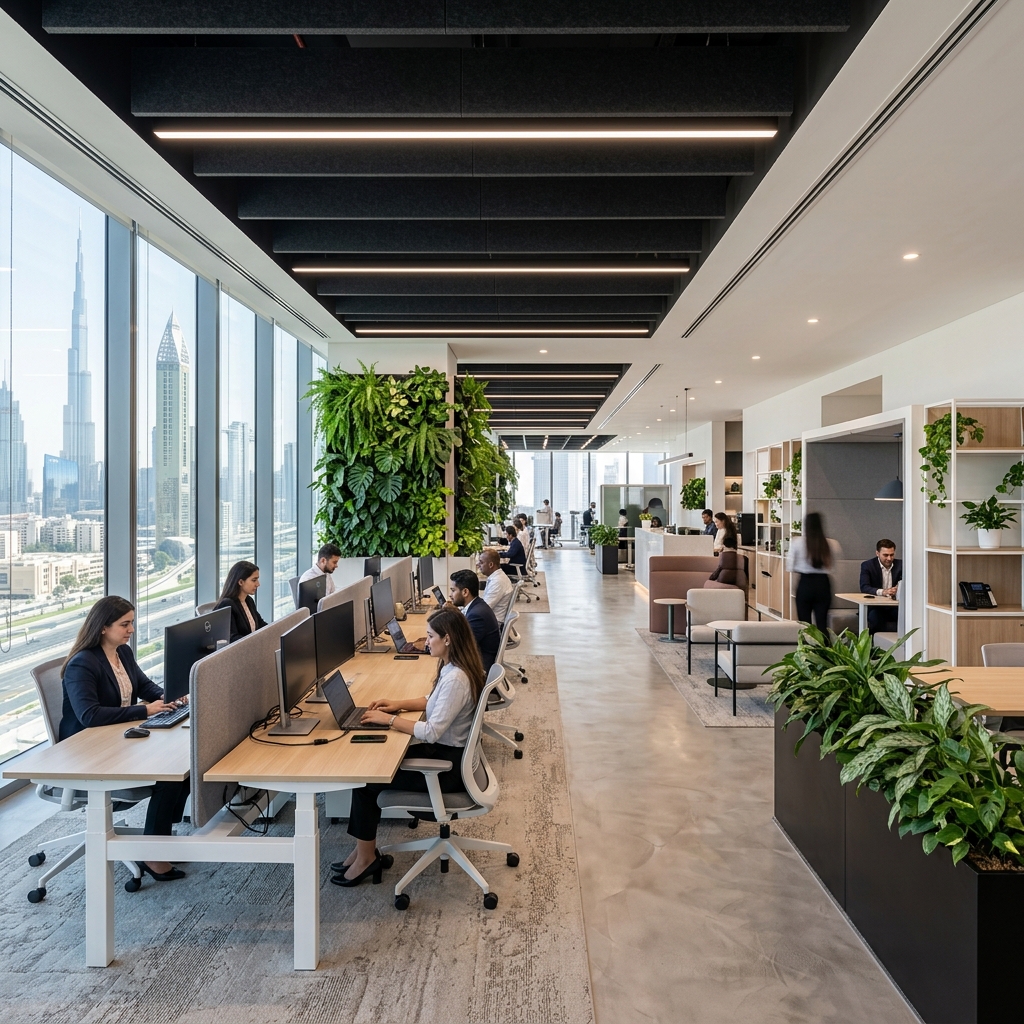
Modern workspaces require smart spatial design to maximize human potential. Choosing the right partner for an office fit out Dubai projects require is key to balancing aesthetics with compliance. A licensed commercial fit out contractor Dubai developers trust can translate complex brand requirements into functional office floors.
How Activity-Based Working Dubai Layouts Drive Productivity
Static desk rows are fading as companies adopt agile floorplates. Under activity-based working Dubai parameters, employees choose their environments based on their current tasks. This setup balances collaborative meeting lounges with quiet zones for deep, focused work.
- Quiet Focus Pods: Dedicated single-person zones for intensive typing and thinking.
- Collaborative Hubs: Open tables with interactive screens for team brainstorming sessions.
- Hot-Desking Clusters: Flexible desk setups equipped with universal power docks.
Integrating Biophilic Office Design UAE Principles
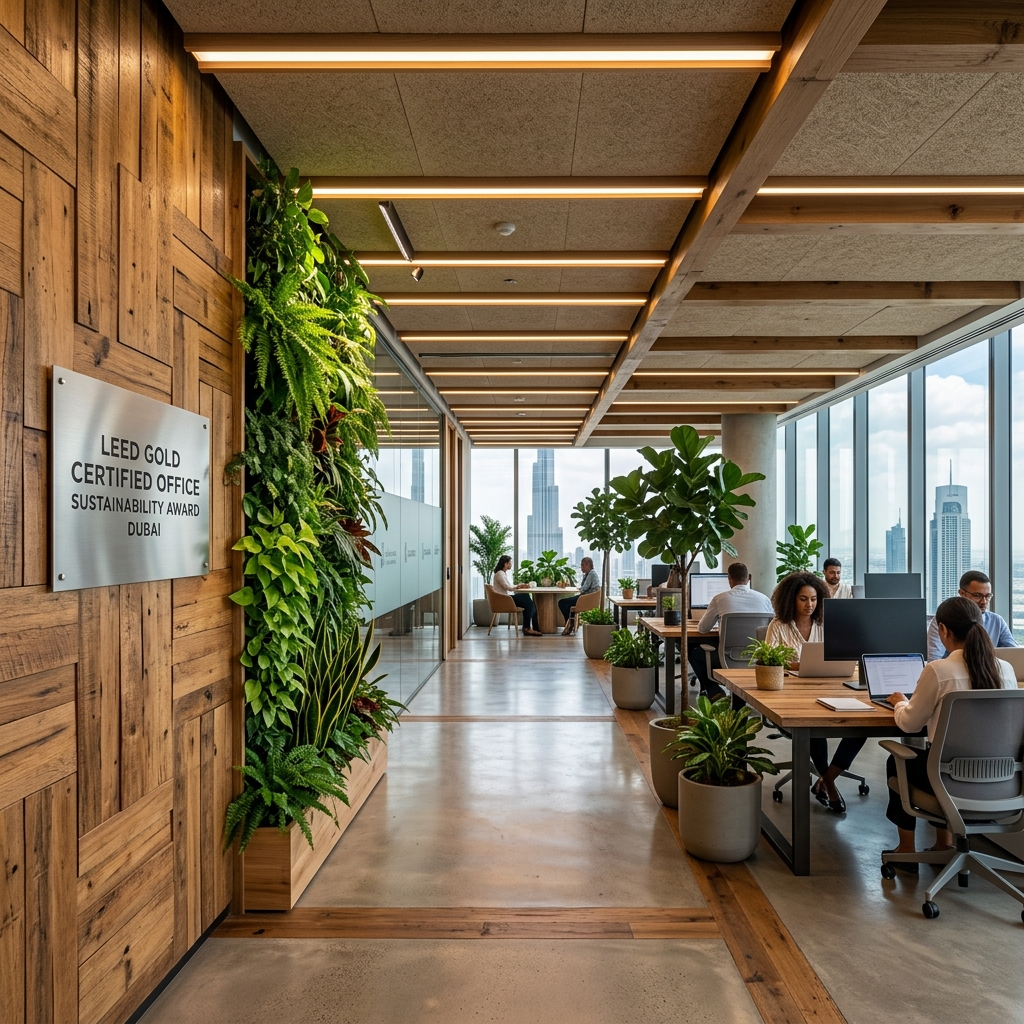
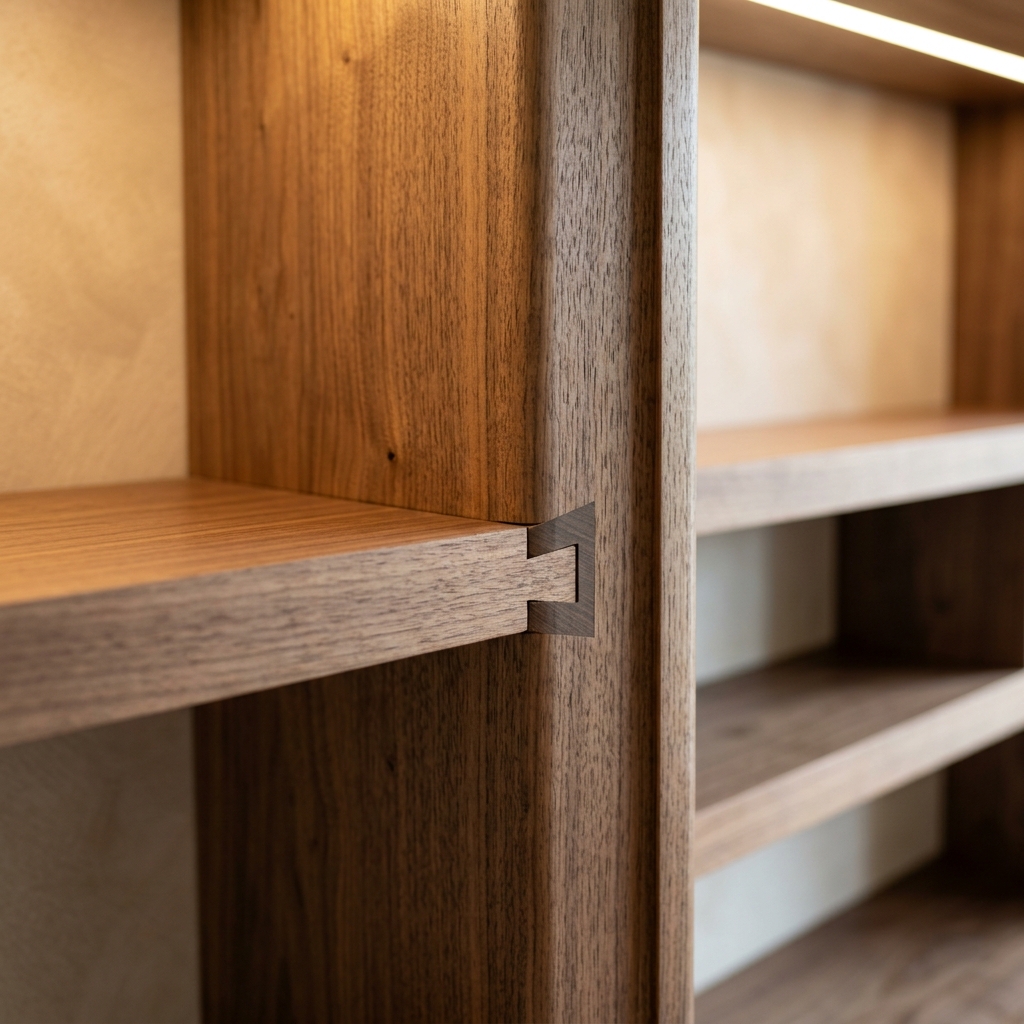
Adding natural elements directly improves employee cognitive performance and reduces workplace stress. Applying biophilic office design UAE principles involves maximizing daylight penetration and choosing natural raw finishes. Incorporating living moss walls and natural wood joinery creates a healthier workspace environment.
- Daylight Harvesting: Placing low-height partitions near glass facades to let light filter deep.
- Organic Textures: Specifying FSC-certified solid oak and local clay finishes.
- Air-Purifying Plants: Integrating plant troughs into storage units to naturally filter indoor air.
Resolving Noise Pollution via Acoustic Privacy Design Dubai
Open floorplans can lead to distraction if acoustic acoustics are not managed correctly. Utilizing acoustic privacy design Dubai techniques ensures sound does not travel across active departments. Implementing double-glazed glass partitions and acoustic felt baffles controls echo effectively.
- Double-Glazed Partitioning: Acoustic glass walls that block sound transmission between meeting rooms.
- Sound-Absorbing Baffles: Ceiling panels designed to capture vertical sound waves in high-traffic zones.
- Upholstered Wall Cladding: Foam-backed fabric panels that minimize sound bounce on hard surfaces.