Green Fitouts in UAE: LEED, Estidama & What They Cost
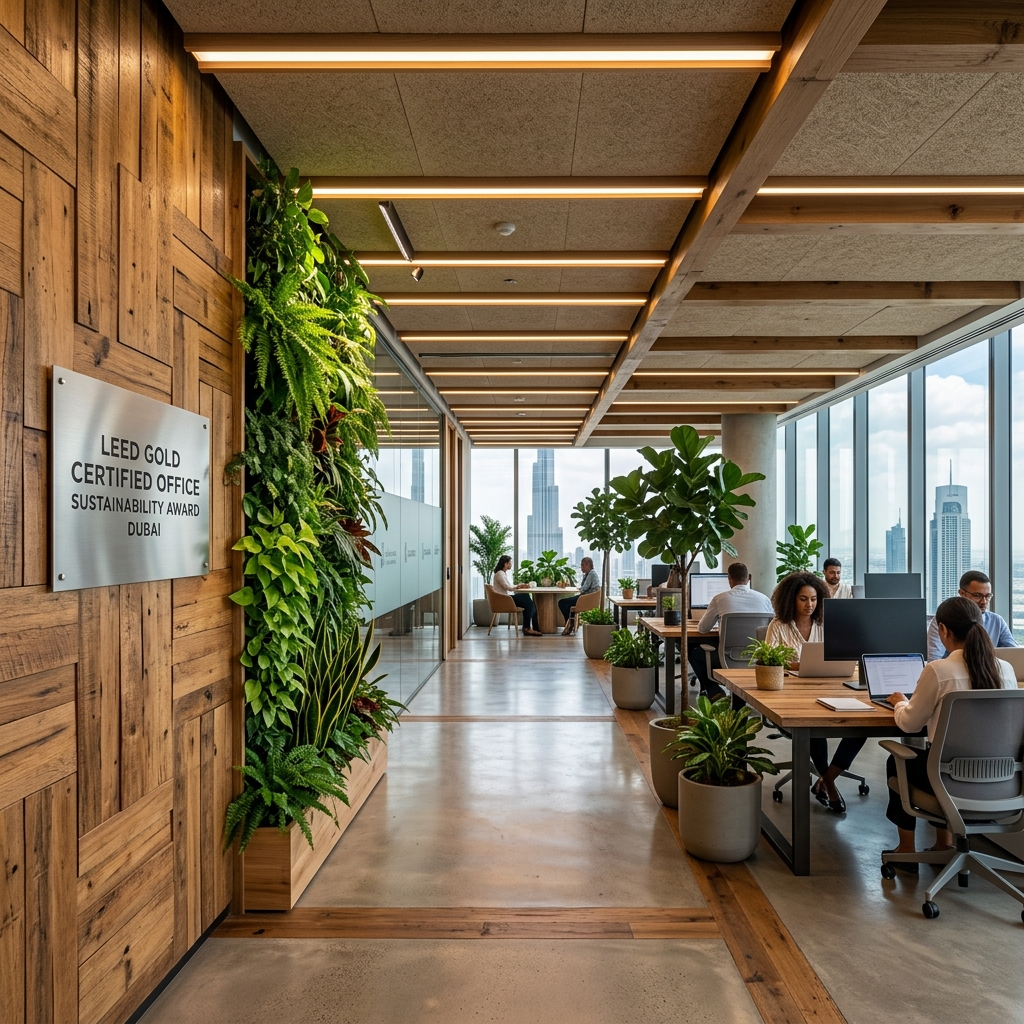
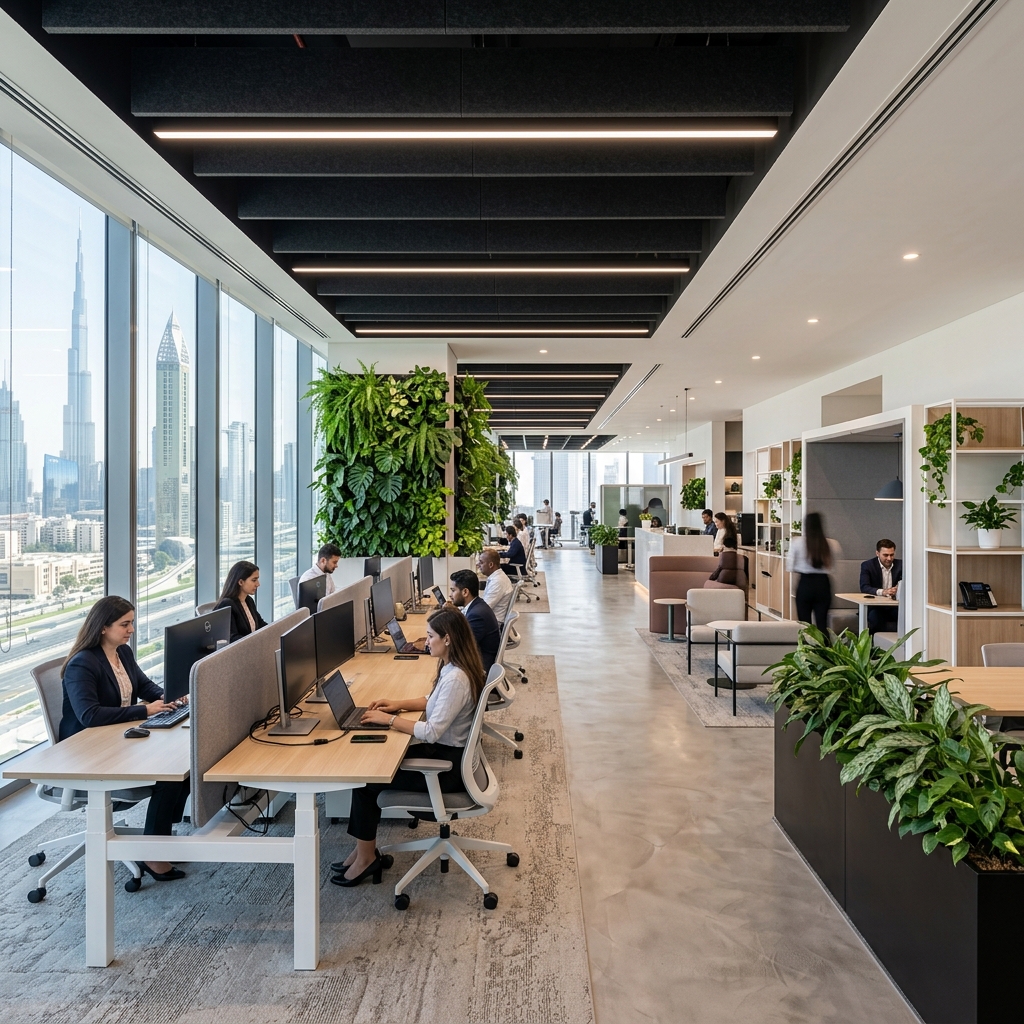
Decarbonization is no longer a voluntary marketing exercise for developers and corporate tenants in the Gulf. Upgrading to a high-performance commercial space requires navigating localized building compliance. Executing green fitouts in UAE requires balancing international green standards with regional energy mandates without blowing out your capital expenditure.
The Green Frameworks: LEED vs. Estidama
Commercial tenants in the Emirates run into two dominant environmental certification frameworks depending on their municipality. While they share the goal of lowering carbon footprints, their implementation rules differ.
LEED Certification in Dubai
The Leadership in Energy and Environmental Design (LEED) system is the global benchmark for sustainable buildings. In Dubai, Grade A commercial towers in DIFC, DMCC, and Downtown increasingly mandate LEED certification for interior build-outs. Achieving this rating requires a strict focus on indoor water use reduction, indoor air quality, and low-emitting building materials.
The Estidama Pearl Rating System in Abu Dhabi
Managed by the Abu Dhabi Department of Municipalities and Transport, the Estidama Pearl rating system is legally mandatory for all new developments in the capital. Private villa builds must hit a minimum 1-Pearl rating, while public sector buildings must achieve at least 2 Pearls. Estidama focuses heavily on regional water scarcity and local material procurement.
The Green Fitout Financial Breakdown
A major concern for commercial tenants is the financial premium associated with sustainable builds. Partnering with a specialist in sustainable fitout contracting Dubai developers trust helps clarify these expenses from day one. You can categorize sustainable build-out costs into direct capital expenditures and indirect engineering fees.
Calculating the LEED Compliance Cost
Meeting green standards typically adds a 5% to 15% premium on top of traditional fit-out costs. The exact LEED compliance cost depends on the target certification tier (Certified, Silver, Gold, or Platinum). These costs cover energy-efficient MEP upgrades, low-flow plumbing, and specialized materials tracking.
Understanding Green Building Standards UAE Expenses
To plan your budget accurately, consider these primary expense areas:
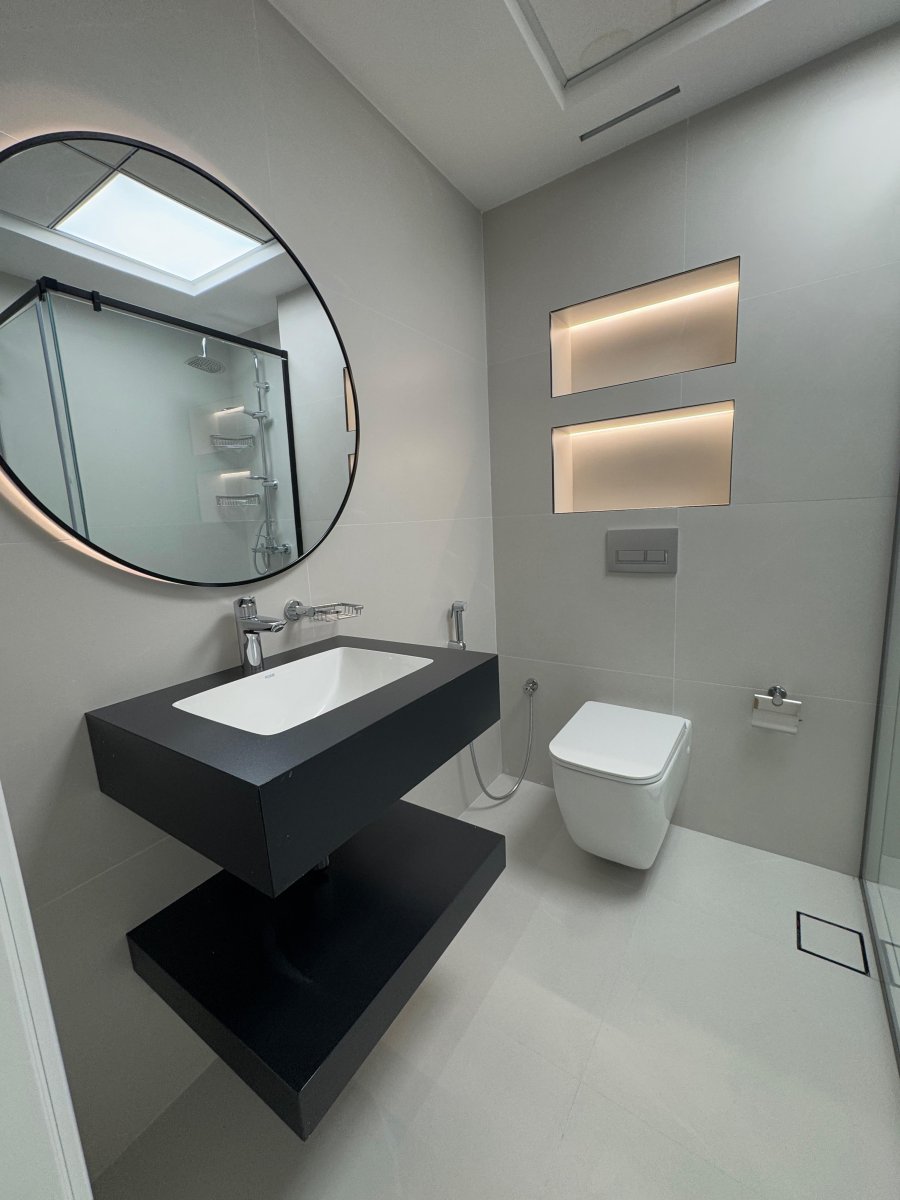
- High-Efficiency MEP Upgrades: Smart HVAC zoning, variable speed drives, and energy-recovery ventilation systems.
- Sub-Metering Systems: Automated sensors that track zone-by-zone electricity and water consumption.
- Low-VOC Interior Finishes: Carpets, adhesives, and wood finishes that emit zero toxic gasses.
- Documentation and Auditing: Fees for specialized consultants who verify construction compliance for official submittal.
The Real-World Financial Return
Investing in sustainable interiors is not just about avoiding regulatory penalties. High-performance spaces directly lower monthly utility bills, making the capital premium highly profitable over time. Average commercial clients see a full payback on their sustainability investment within three to five years.
- Utility Savings: Smart lighting and HVAC automation reduce power and water bills by up to 30%.
- Tenant Attraction: Grade A office spaces with green credentials command higher rental yields and attract premium multinational tenants.
- Staff Well-being: Enhanced ventilation rates and daylight levels directly lower employee absenteeism and increase cognitive performance.
Frequently Asked Questions
What is the average cost premium for green fitouts in UAE?
The average premium ranges from 5% to 15% of your standard interior construction budget. This variation depends on whether you target a basic LEED certification or a higher Estidama Pearl rating.
Is Estidama compliance required for office renovations in Abu Dhabi?
Yes, Estidama is mandatory for all new builds and major structural renovations in Abu Dhabi. Your fit-out contractor must coordinate design approvals with the municipality before construction starts.
How does a sustainable fitout reduce monthly operational costs?
By integrating smart sub-metering, LED lighting controls, and high-efficiency HVAC equipment, green fitouts reduce energy and water consumption by 20% to 30% compared to traditional commercial spaces.
Which materials are banned under green building standards UAE regulations?
Materials containing high levels of volatile organic compounds (VOCs), formaldehyde, or lead are strictly restricted. All paints, adhesives, sealants, and composite wood products must be certified low-emission.